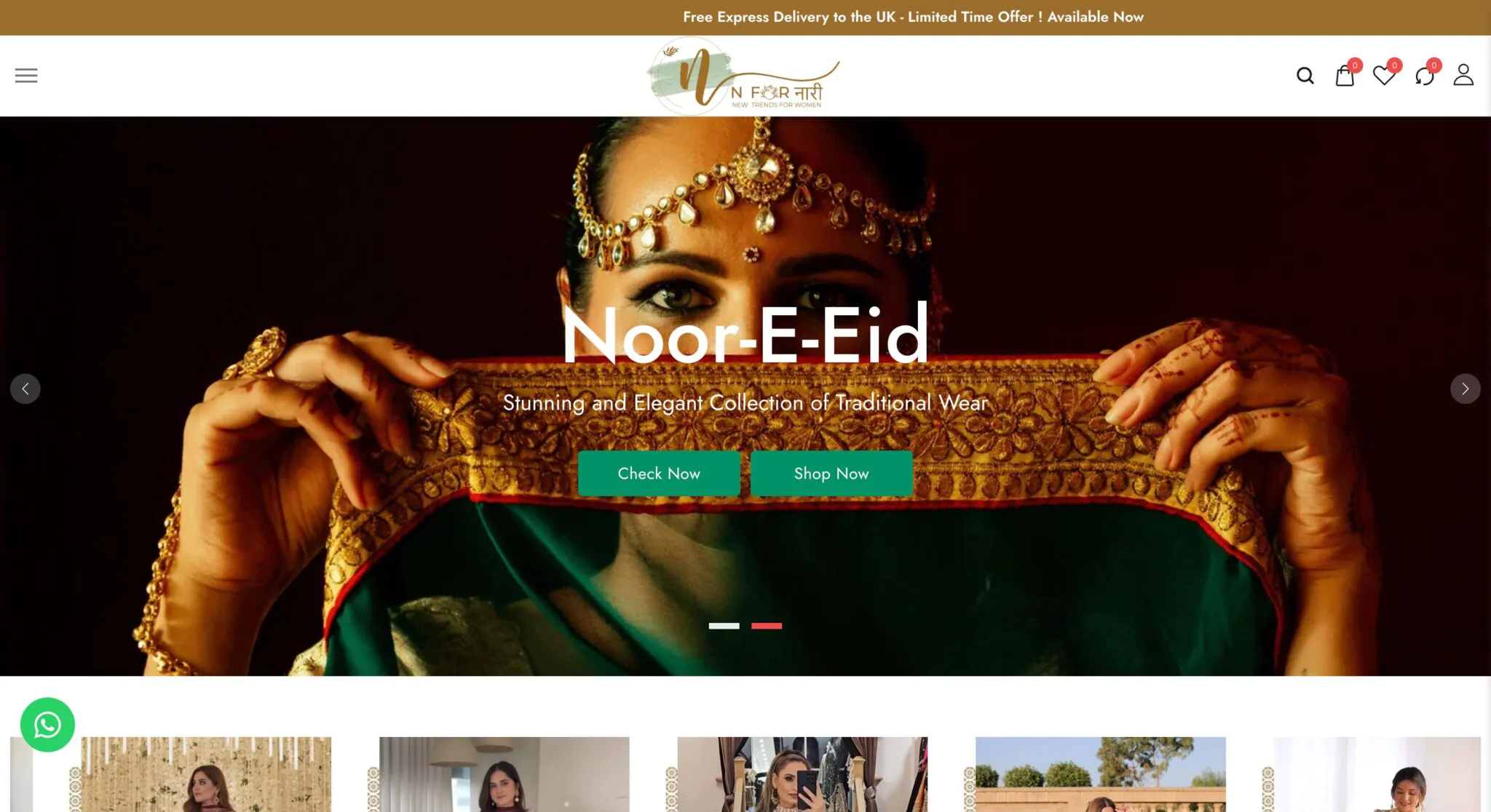
Choosing the right type of website is one of the most important decisions a business can make in 2026. Your website is no longer just an online brochure—it is your sales engine, brand ambassador, and lead-generation platform. Yet many businesses struggle with a fundamental question:
Should you invest in a custom website or use a ready-made template?
Both options have their place, but the right choice depends on your business goals, budget, scalability needs, and long-term growth plans. In this detailed guide, we’ll break down the differences between custom websites and template websites, their pros and cons, and help you decide which option is truly better for your business.
Understanding the Basics
Before comparing, it’s important to understand what each option really means.
What Is a Template Website?
A template website is built using a pre-designed layout. These designs are created for mass use and can be customized to a certain extent with colors, content, images, and fonts.
Template websites are commonly built using platforms like WordPress, Shopify, or website builders that offer ready-made themes.
What Is a Custom Website?
A custom website is designed and developed from scratch based on your specific business requirements. Every layout, feature, and design element is tailored to your brand, audience, and goals.
Custom websites are built with full control over design, functionality, performance, and scalability.
Key Differences Between Custom and Template Websites
The core difference lies in flexibility, uniqueness, performance, and long-term value.
Template websites prioritize speed and affordability, while custom websites focus on strategy, scalability, and competitive advantage.
Let’s explore these differences in depth.
1. Design & Brand Identity
Template Website Design
Template designs are visually appealing but generic. Since thousands of businesses may use the same theme, your website risks looking similar to competitors.
While basic customization is possible, templates often limit:
- Layout changes
- Content flow adjustments
- Advanced visual hierarchy
- Brand storytelling elements
This can make it difficult to create a strong, memorable brand identity.
Custom Website Design
Custom websites are built entirely around your brand. Every visual element supports your identity, values, and positioning.
Benefits include:
- Unique layouts
- Custom user journeys
- Brand-specific colors and typography
- Tailored content placement
A custom website helps your brand stand out and build trust instantly.
Winner: Custom Website
2. User Experience (UX) & Conversion Optimization
Template Website UX
Templates are designed for general use, not specific audiences. As a result:
- Navigation may not align with your customer journey
- Pages may contain unnecessary elements
- Conversion paths may be unclear
This often leads to lower engagement and weaker conversions.
Custom Website UX
Custom websites are designed based on user behavior and business goals. Every page is structured to guide users toward action.
Advantages include:
- Intent-based layouts
- Strategic CTA placement
- Simplified navigation
- Conversion-focused design
Custom UX directly improves lead generation and sales.
Winner: Custom Website
3. Performance & Website Speed
Template Website Performance
Templates often include:
- Excess code
- Multiple scripts
- Unused features
- Heavy plugins
These factors slow down website speed and negatively impact user experience and SEO.
Custom Website Performance
Custom websites are optimized from the ground up:
- Clean, lightweight code
- Only required features
- Optimized assets
- Better Core Web Vitals scores
Faster websites rank better and convert more effectively.
Winner: Custom Website
4. SEO Capabilities
Template Website SEO
Templates may support basic SEO features, but they often lack:
- Clean code structure
- Advanced schema support
- Optimized page architecture
- Scalable SEO flexibility
This limits your ability to compete in competitive search results.
Custom Website SEO
Custom websites are built with SEO at the core:
- Proper heading hierarchy
- SEO-friendly URLs
- Optimized internal linking
- Schema-ready structure
- Faster indexing
Custom SEO architecture helps businesses achieve long-term organic growth.
Winner: Custom Website
5. Scalability & Future Growth
Template Website Scalability
Templates work well for small, static websites but struggle as businesses grow.
Common limitations include:
- Feature restrictions
- Plugin conflicts
- Design limitations
- Performance issues
Scaling often requires a complete redesign.
Custom Website Scalability
Custom websites are designed for growth:
- Modular architecture
- Flexible integrations
- Custom feature expansion
- Long-term adaptability
This makes them ideal for businesses with future plans.
Winner: Custom Website
6. Cost Comparison: Short-Term vs Long-Term
Template Website Cost
Templates are budget-friendly upfront:
- Lower initial investment
- Faster deployment
- Suitable for startups and small budgets
However, hidden costs often appear:
- Plugin subscriptions
- Performance issues
- Redesign costs
- Limited scalability
Custom Website Cost
Custom websites require a higher initial investment, but deliver:
- Better ROI
- Lower long-term maintenance costs
- Higher conversion rates
- Sustainable growth
When viewed long-term, custom websites are often more cost-effective.
Winner: Depends on business stage
7. Security & Reliability
Template Website Security
Templates often rely on third-party plugins and shared code, increasing security risks.
Common issues include:
- Vulnerable plugins
- Delayed updates
- Compatibility problems
Custom Website Security
Custom websites offer better security control:
- Custom codebase
- Controlled integrations
- Better update management
- Reduced attack surface
Security builds trust and protects business data.
Winner: Custom Website
8. Maintenance & Control
Template Website Maintenance
Template websites depend heavily on theme and plugin updates. One update can break the site.
Control is limited by the theme’s structure.
Custom Website Maintenance
Custom websites offer full control:
- Clean update cycles
- Tailored maintenance plans
- Easier debugging
- Controlled changes
This reduces downtime and long-term headaches.
Winner: Custom Website
When a Template Website Makes Sense
Template websites are a good option if:
- You’re launching a small business or startup
- Budget is very limited
- Website needs are basic
- Speed of launch is critical
- You don’t need advanced features
For temporary or early-stage use, templates can be effective.
When a Custom Website Is the Better Choice
Custom websites are ideal if:
- You want to build a strong brand
- Lead generation is a priority
- SEO competition is high
- You plan to scale
- Performance and security matter
- You want long-term ROI
For growing businesses, agencies, and established brands, custom websites are the smarter investment.
Custom Website vs Template Website: Final Verdict
There is no one-size-fits-all answer—but there is a right answer for your business.
| Factor | Template Website | Custom Website |
|---|---|---|
| Cost (Initial) | Low | Higher |
| Brand Uniqueness | Limited | High |
| SEO Performance | Basic | Advanced |
| Scalability | Limited | Excellent |
| Conversions | Moderate | High |
| Long-Term ROI | Low | High |
Final Thoughts
Your website should support your business goals—not limit them.
If you want a quick, budget-friendly solution, a template website may work initially. But if you’re serious about growth, branding, SEO, and conversions, a custom website is the clear winner.
In 2026, businesses that invest in custom, performance-driven websites will dominate their markets—while others struggle to keep up.